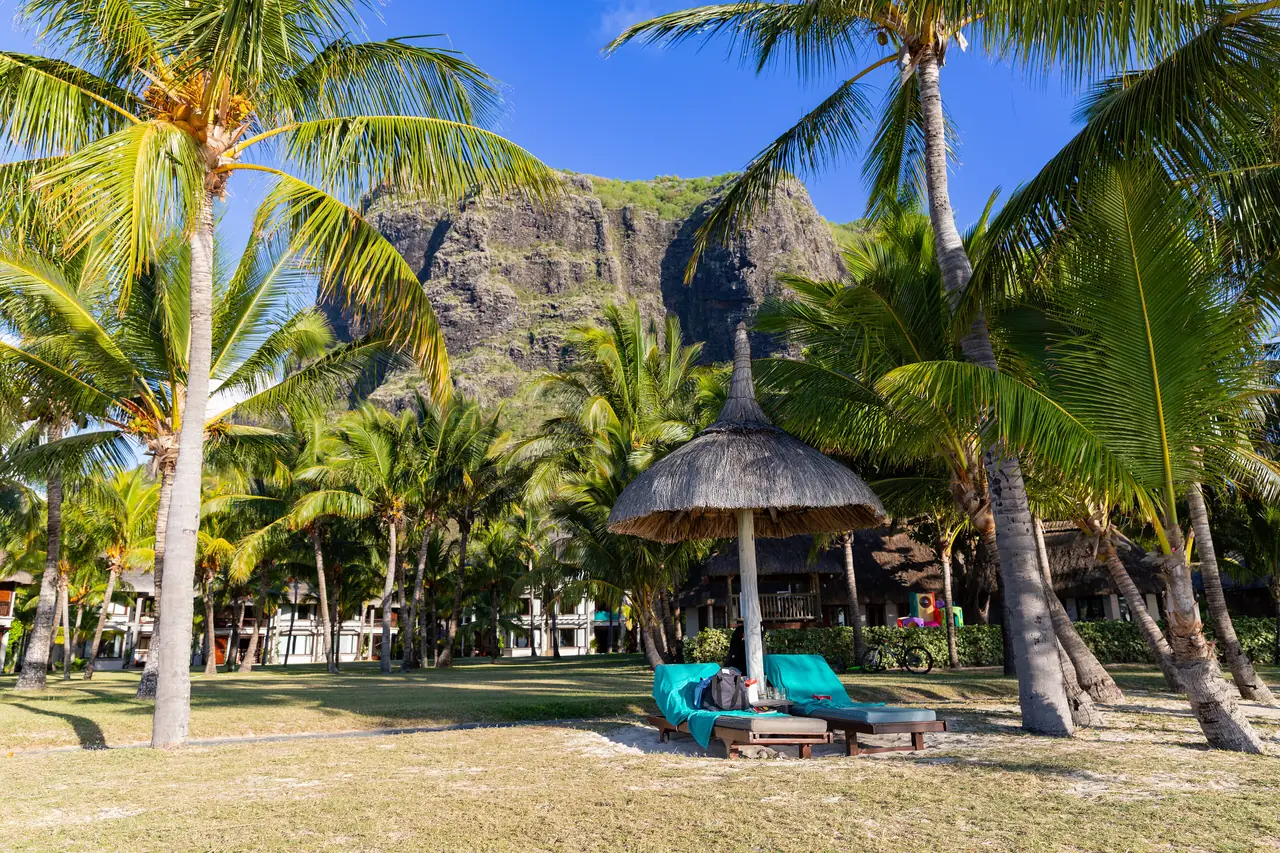
Mauritius is warm all year, so there is no bad month to go. What changes is the heat, the rain and the chance of a cyclone. The island has two seasons. Summer, from November to April, is warm and humid. Winter, from June to September, is cooler and drier. May and October sit between the two.
The gap between the seasons is smaller than many visitors expect. The Mauritius Meteorological Services put the average summer temperature at 24.7 °C and the winter average at 20.4 °C, a difference of only about 4 °C.
The year at a glance
- January and February are the hottest months, with average daytime highs of about 29 °C. They are also part of the wettest stretch of the year and the main cyclone period.
- March is still hot and, with February, the wettest month.
- April and May are when the heat and humidity ease. May is a transition month leading into winter.
- June to September is winter. July and August are the coolest months, with average night-time lows of about 16 °C. Days on the coast stay mild and sunny.
- October is the driest month of the year and the start of the warm-up.
- November and December bring summer back. Rain builds through the summer, and the cyclone season begins.
About two-thirds of the island's yearly rain falls in summer, but there is no marked rainy season.
Coast or hills: where you stay changes the weather
Mauritius is small, but the weather varies more across it than its size suggests. The central plateau around Curepipe is much cooler than the coast and can get up to twice as much rain. The trade winds come from the east, which makes the east coast a little cooler and wetter than the west.
Sunshine follows the same pattern. In summer, the coast gets 7.5 to over 8 hours of bright sunshine a day, against about 6 on high ground. In winter the coast still gets more than 7.5 hours, while the central plateau drops to about 5. If you visit in winter and want the warmest days, base yourself on the coast, and on the west if you can.
Cyclone season
The cyclone season usually runs from November to May, and most cyclones that affect the island come between January and March. When one passes close, it tends to disrupt the weather for about three days, with heavy rain and strong wind.
Mauritius has a clear warning system run by the Mauritius Meteorological Services. Class I is issued 36 to 48 hours before gusts of 120 km/h are expected, and the warnings rise to Class IV as the storm arrives. During a cyclone you must stay in your accommodation, and car hire insurance often stops applying. Travel insurance that covers delays and cancellations is worth having for a trip between January and March.
If you travel in cyclone season, keep a day or two of slack at the end of the trip. Follow the advice your hotel passes on, and check the Meteorological Services site for the current warning. Torrential rain can also cause landslides on hillsides, and the Meteorological Services issue separate landslide warnings.
Which month suits your trip
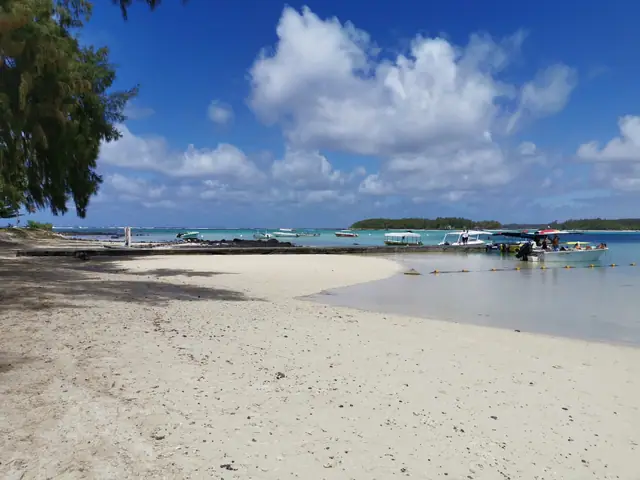
For beach time with less rain, go between September and December. October is the driest month, and summer warmth returns from November.
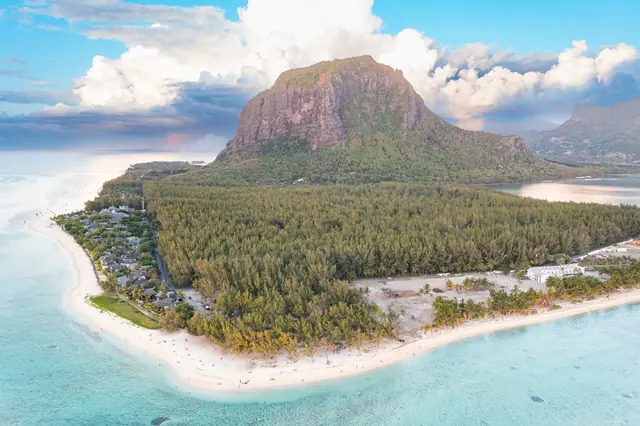
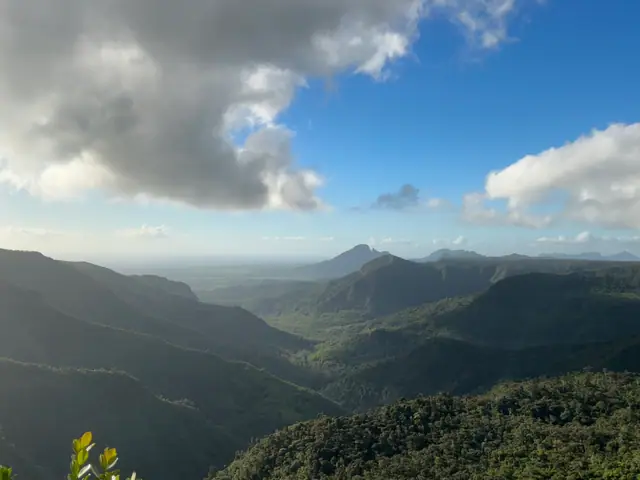
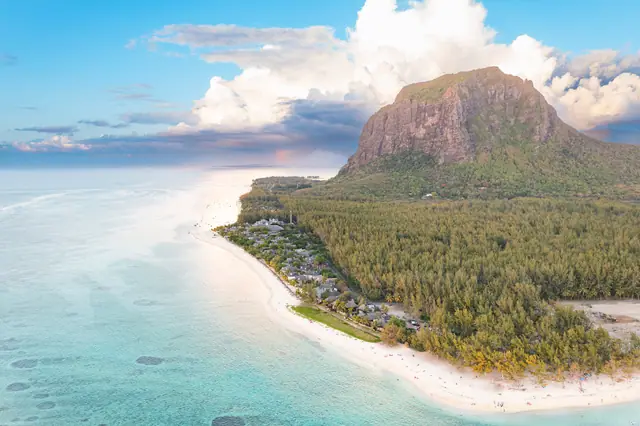
For hiking and sightseeing, winter (June to September) is cooler and more comfortable for walks such as Le Morne Brabant or the Black River Gorges trails. Take a warm layer for evenings in the hills. Where: Le Morne and Plaine Champagne, in the south-west.
For the hottest weather, January to March is the time, if you accept more rain and the chance of a cyclone.
For the in-between months, April, May and October sit between the two main seasons: still warm, with less heat and humidity than mid-summer.
Festivals and public holidays
Mauritius' calendar mixes Hindu, Muslim, Chinese and Christian festivals, and several are public holidays. Banks and government offices close on these days. Many restaurants and shops change their hours, and traffic can be heavy around big events.
The 2027 public holidays published by the Government Information Service are:
- New Year: 1 and 2 January
- Thaipoosam Cavadee: 22 January
- Abolition of Slavery: 1 February
- Chinese Spring Festival: 6 February
- Maha Shivaratree: 6 March
- Eid-ul-Fitr: 10 March (the date depends on the moon)
- Independence and Republic Day: 12 March
- Ougadi: 7 April
- Labour Day: 1 May
- Ganesh Chaturthi: 5 September, with an extra public holiday on 6 September
- Divali: 29 October
- All Saints' Day: 1 November
- Arrival of Indentured Labourers: 2 November
- Christmas: 25 December
Maha Shivaratree is the island's biggest Hindu festival. In the days before it, hundreds of thousands of pilgrims walk to the sacred lake at Grand Bassin (Ganga Talao), many carrying hand-made shrines called kanwars. It is a striking sight, but roads to the south-west are busy and some are closed. Plan drives in that area around it. Where: Grand Bassin, in the Savanne highlands.
Related guides
- Getting to Mauritius: entry rules, the travel form and arriving at the airport.
- Getting around Mauritius: drive times, car hire, taxis, buses and the Metro Express.
- Best beaches in Mauritius, coast by coast.