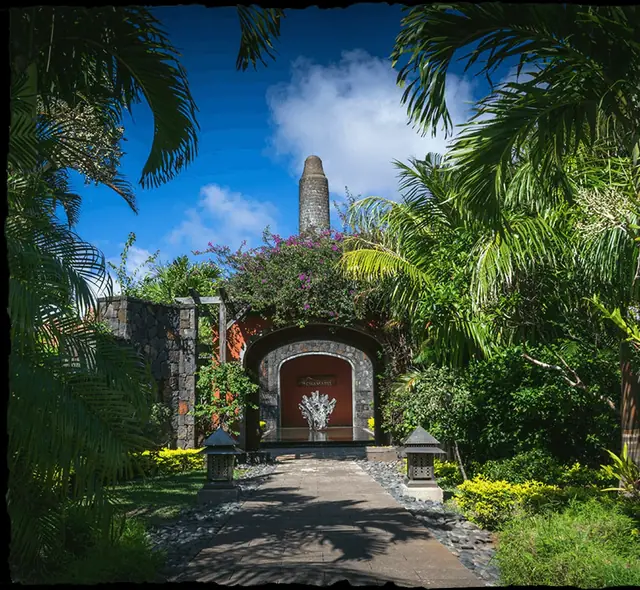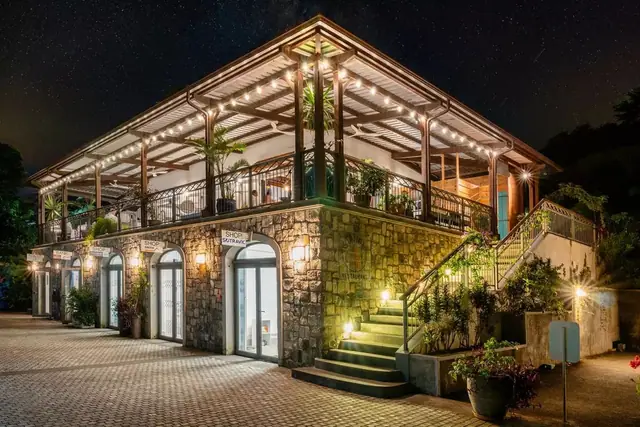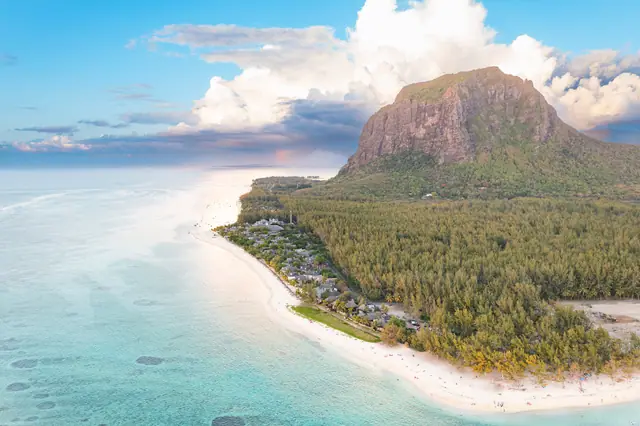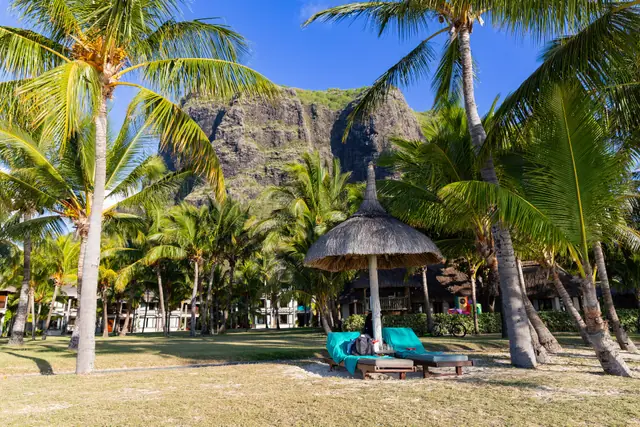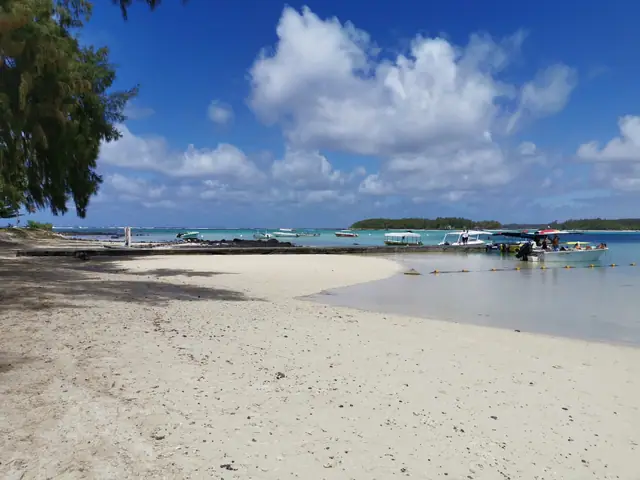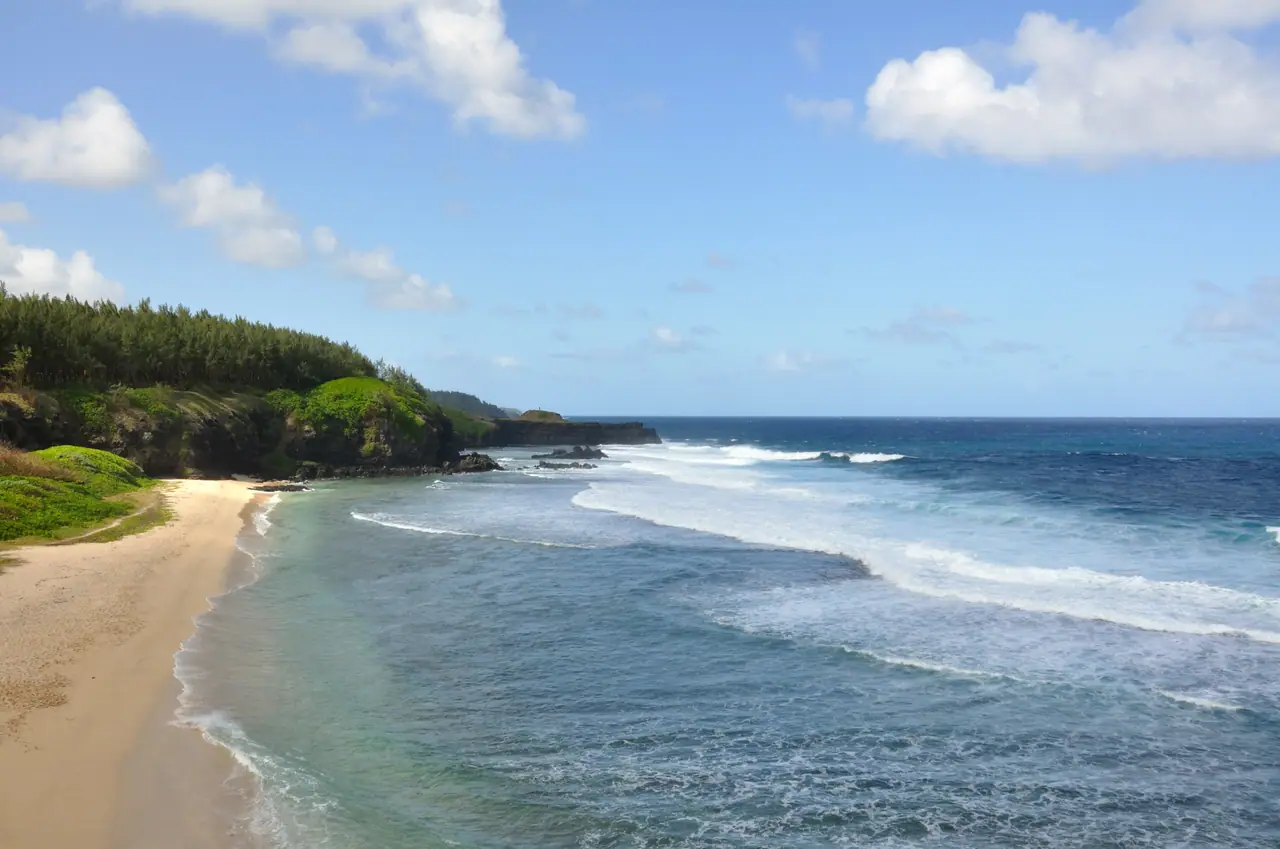
The south and south-west bring together open-ocean coast, forest trails, heritage visits and small-scale food experiences. The southern area includes Souillac, Mahébourg, Blue Bay and Bel Ombre; the wider south-west reaches Le Morne, Chamarel and the Black River Gorges. These stops are spread across different villages, so choose a coastal or inland focus for each day and check directions and visitor arrangements before setting out.
Souillac and the lower south
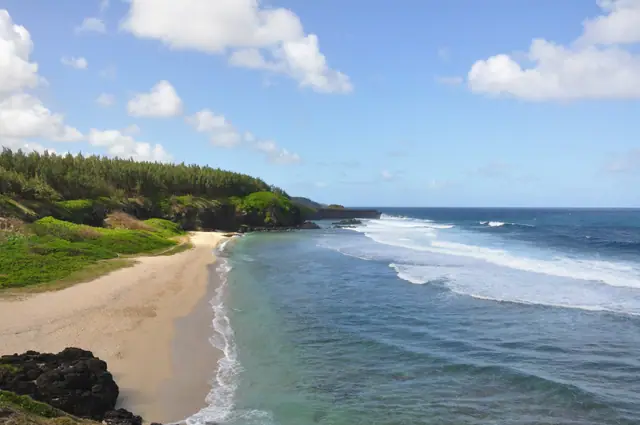
Gris Gris Public Beach is a public shoreline near Souillac, where the coast opens to the ocean rather than a sheltered lagoon. Treat it as a coastal viewpoint and beach stop, not as a promise of safe swimming. Check local signs and conditions before approaching the water, follow current safety guidance and keep a careful distance from exposed areas. Where: Souillac.
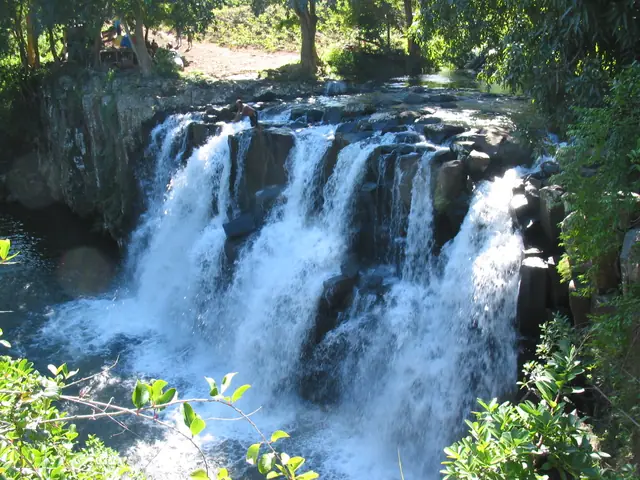
Rochester Falls is a waterfall on the Savanne River, known for its rectangular basalt formations. The approach can include uneven ground, so use suitable footwear and check local directions before going. Rocks and water can be hazardous; do not assume that swimming is safe. It is a nature stop to pair with other plans in the south; do not count on visitor facilities. Where: Souillac.
For a cultural stop in Riambel, Heritage Spice House combines a heritage museum, an ancestral kitchen and a living spice garden. The visit can include seeing traditional household objects and grinding masala by hand; the longer experience also offers a taste of Mauritian flavours. Where: Riambel.
Food and estate visits
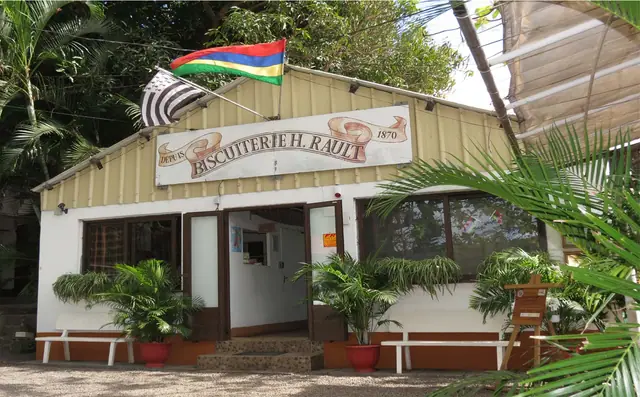
Biscuiterie H. Rault is a family cassava-biscuit factory near Mahébourg, where visitors can learn about the traditional production. It makes a food-and-heritage stop in the south-east, distinct from a restaurant meal. Where: Mahébourg.
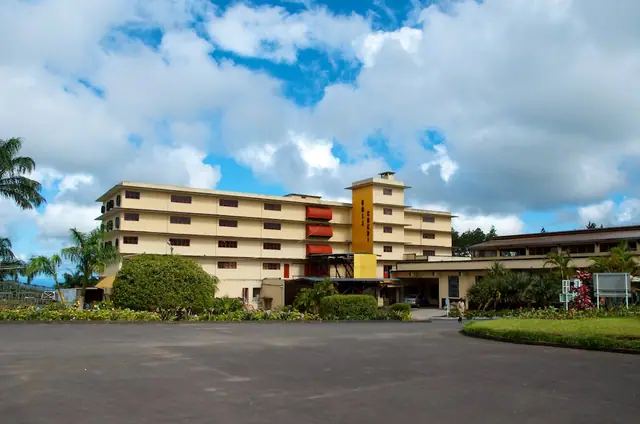
At Bois Chéri Tea Factory and Museum, the tea estate offers a visit centred on tea production and its history. The visitor experience includes the factory and museum, with tea-tasting experiences also promoted by the estate. Where: Bois Chéri.
For a guided rum visit, Rhumerie de Chamarel describes the production and ageing process at its distillery and includes tastings as part of the visitor experience. The operator offers standard and private guided visits, so compare the current arrangements and confirm entry requirements directly before travelling. If you plan to taste, make a transport plan that does not rely on driving afterwards. Where: Chamarel.
Forest and mountain landscapes
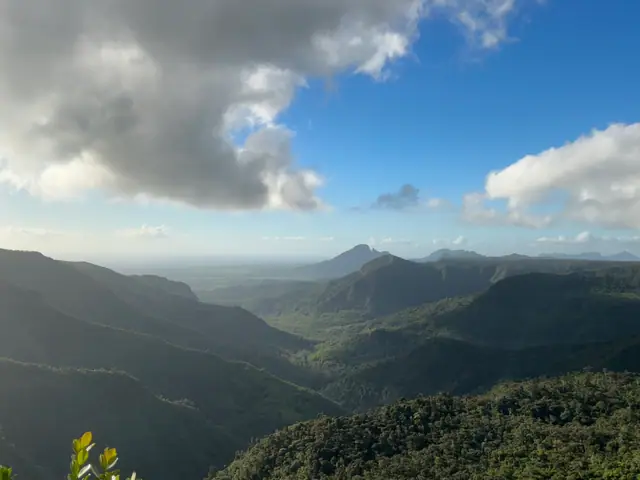
Black River Gorges National Park protects upland forest in the south-west and has a network of marked trails, from shorter walks to more demanding hikes. Choose a route that fits your experience, check current trail conditions and notices, and bring water and footwear suitable for walking. Upland weather can differ from the coast, so check conditions before leaving and follow official trailhead guidance. Where: Plaine Champagne.
Ebony Forest Reserve in Chamarel offers guided walks, raised forest trails, a museum and viewpoints over the south-west. The routes vary, and the reserve notes that some paths and raised walkways can be challenging. Check current trail and visitor information, and contact the team ahead if mobility or access needs affect your choice. Where: Chamarel.
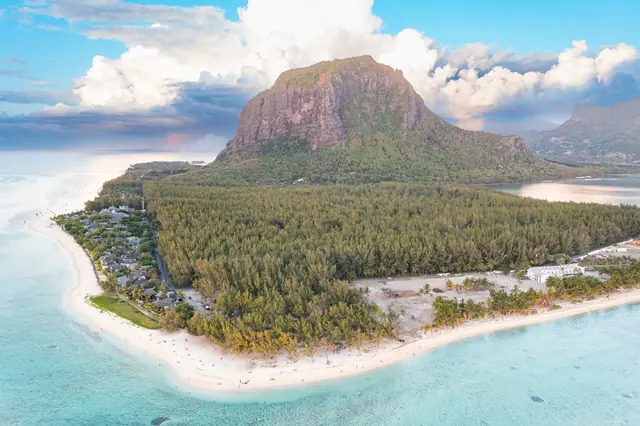
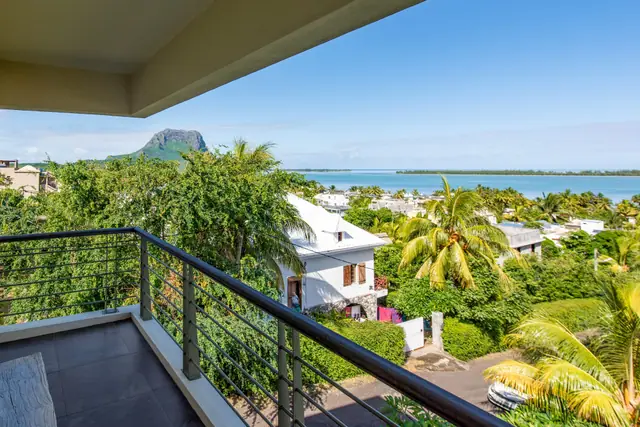
Le Morne Brabant is a mountain and cultural landscape on the south-west peninsula, associated with the history of resistance to slavery. The Le Morne Heritage Trust Fund publishes hiking times, including a latest start for the ascent, which can be physically demanding. Visitors who do not plan to hike can still approach the mountain as a place of remembrance and learn about its history through official interpretation. Where: Le Morne.
Stays for a southern or south-western base
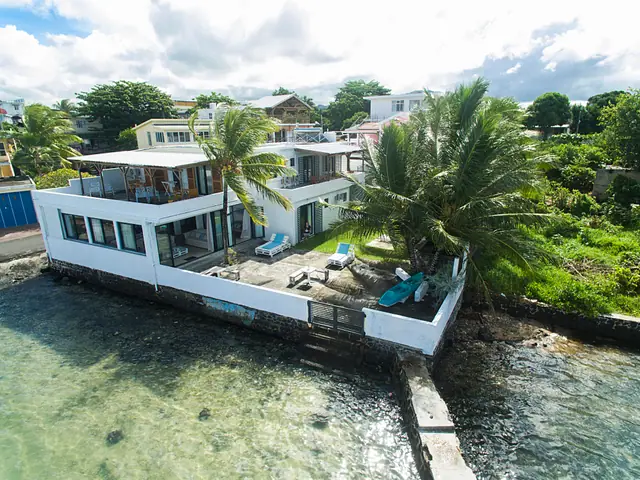
In Mahébourg, Auberge SeaFever is a family bed and breakfast with lagoon-facing rooms and continental breakfast included. Rooms differ in their views and child policies, so compare the descriptions and confirm availability and arrival arrangements directly with the host. Its village location can suit travellers planning time in the south-east. Where: Mahébourg.
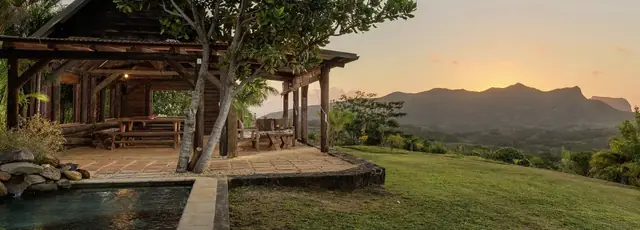
La Vieille Cheminée is a working farm in Chamarel with private eco-lodges, gardens and marked trails. Breakfast can be delivered to a lodge, and meals using farm produce can be ordered in advance. This is an inland stay for visitors who want time outdoors rather than a beach-front base; ask the operator about lodge layouts and meal arrangements before booking. Where: Chamarel.
At La Gaulette, Happy Days Guest House offers a bed and breakfast with a pool, buffet breakfast and rooms with ocean, island or mountain outlooks. The guest house presents itself as a starting point for time around Le Morne and outdoor activities. Where: La Gaulette.
Restaurants around the route
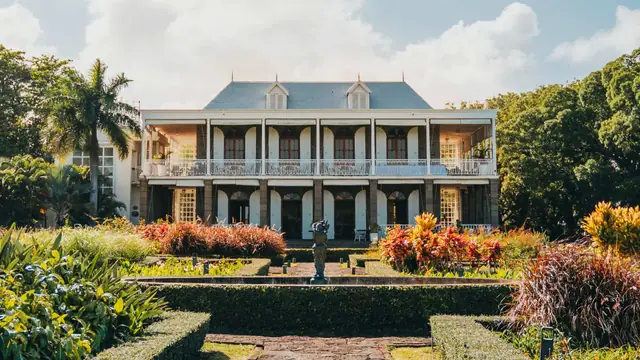
For Mauritian cooking in Bel Ombre, Le Château de Bel Ombre serves meals in a historic mansion with garden surroundings. The restaurant lists lunch, dinner and afternoon tea, with reservations required for non-resident visits. Where: Bel Ombre.
Station A is a restaurant and cocktail bar in Baie du Cap, serving Mauritian-inspired dishes on a terrace overlooking the southern lagoon. Its menu includes local specialities and Mauritian tapas, with halal and vegetarian options listed. Where: Baie du Cap.
In Chamarel, Chez Ruben Restaurant serves Chinese, Indian, seafood and local specialities, with dine-in and takeaway options. The broad menu can work for a group that wants different choices in one village. Where: Chamarel.
Plan by area, then check
The south works better as a set of area-based outings than as a checklist to cross off in one go. Group the Souillac coast and waterfall separately from the Chamarel forest and distillery, and choose a stay that fits the part of the island you plan to explore. Plan with current local directions and keep your schedule flexible.
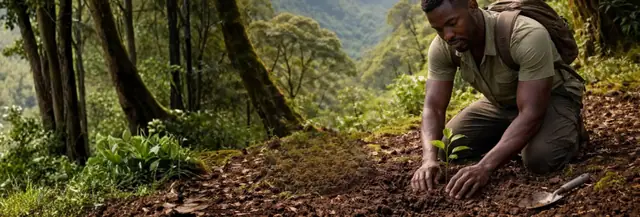
Before leaving, check trail access, operator availability, road directions, restaurant reservations and accommodation details directly. Conditions at the open coast and in the uplands can change, and a scheduled activity may need a different plan. Take care around waterfalls and exposed coast, follow conservation guidance in protected areas, and leave natural and heritage sites as you found them.